Stretto
Simplifying how attorneys manage bankruptcy lawsuits
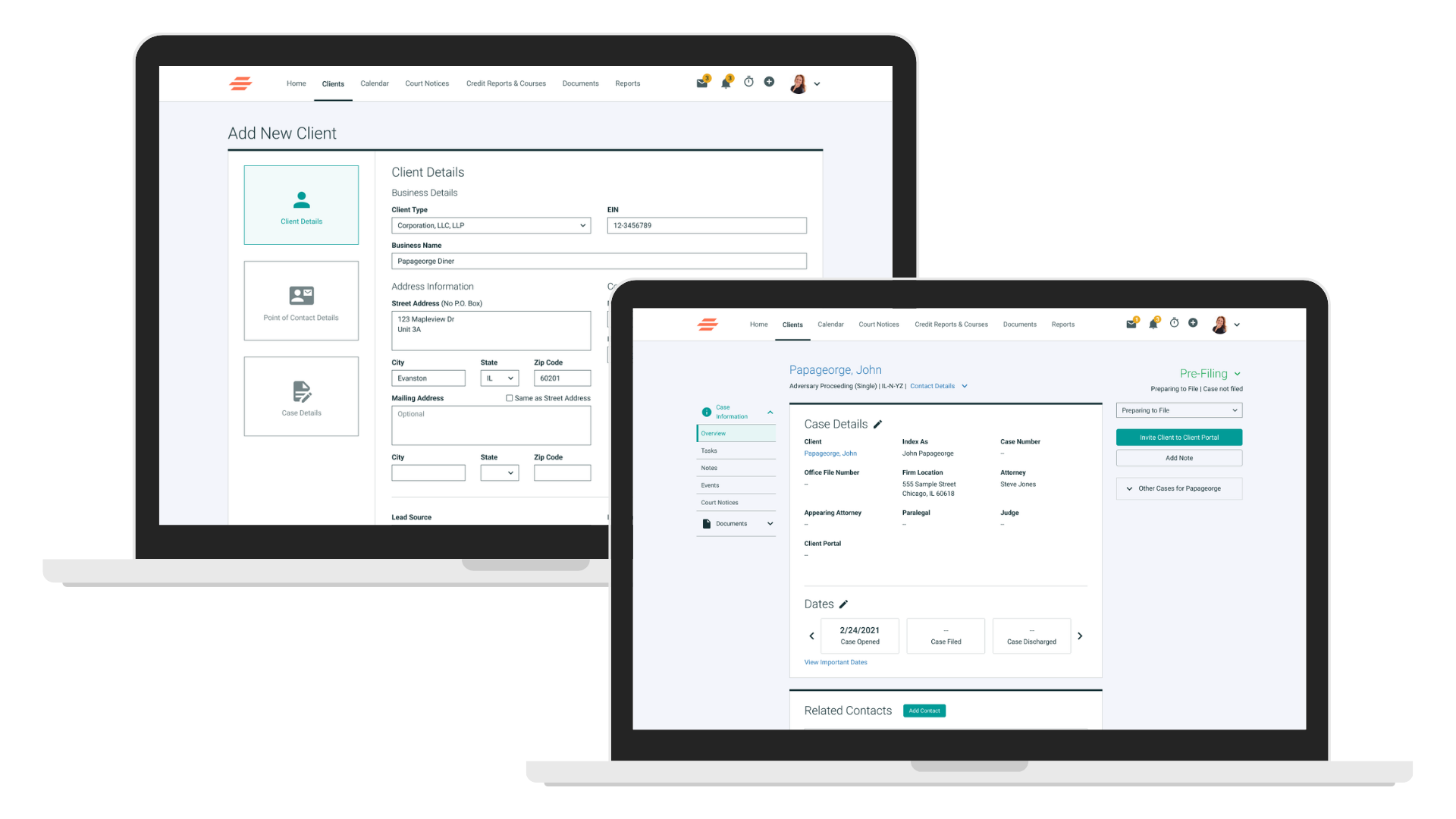
Project overview
The problem
Adversary proceedings are lawsuits that occur within bankruptcy cases. Although attorneys were responsible for preparing and managing these cases, Best Case Cloud had no dedicated workflow to support them.
As a result, attorneys relied on disconnected tools like Word and manual processes to prepare and manage their cases.
Constraints
Need to implement before policy changes went into effect that would allow people to discharge student loans in bankruptcy
Limited knowledge on how attorneys would be able to successfully file
Solution
Created a holistic case management system that brought case information, deadlines, court notices, and documents into one centralized experience for attorneys.
Role
UX designer & UX researcher
Team
1 product manager + 2 developers + Attorney SMEs
Tools
Figma
Outcomes
9%
Increase in account sign-ups
84%
Satisfaction rating for MVP
My process
Understanding the problem through SME interviews
Partnered with attorney SMEs to understand how adversary proceedings were prepared, filed, and managed. Client advisory board feedback revealed that attorneys were managing the work outside Best Case, often using Word and other disconnected tools.
Key insights
Attorneys wanted to file adversary proceedings as a separate case type
Attorneys struggled to keep track of court notices and important dates
These insights helped the PM and I, identify the core capabilities needed for a first release.
“I filed 120 cases in the last week and I didn’t use Best Case for anything. There is no way to prepare an adversary proceeding in Best Case, I have to do everything in Word.”
Mapping the experience
Next, it was vital to understand how an adversary proceeding case would align with the existing case creation and management processes.

Process flow to show how users can add a new adversary proceeding case.

Updated information architecture for the Case Overview page for adversary proceedings. The boxes in yellow are are elements that will be visible, while the outlined boxes will be disabled for this case type.
Designing the experience
After fleshing out the process flows with the product manager, I started to wireframe a few variations of the design to get early feedback. The challenge wasn't simply designing a new case type. It was determining how it should fit within an existing bankruptcy case-management system.

Usability testing with attorneys
With a few edits from the product and design team, I was able to turn the design into high-fidelity mockups for testing. I created a user interview guide to gather feedback on the prototype from 5 attorneys.
Updates after testing
Attorneys expect to easily navigate between bankruptcy and adversary proceeding cases.
Added navigation between bankruptcy and adversary proceeding.

Attorneys needed more freedom when tracking Important dates and deadlines
Updated the experience to support more flexible date management
Identified electronic filing, multi-tab editing, and form templates as future opportunities.
“I’ve complained about it [not being able to file adversary proceedings] for years. So this is a yes, this is a step in the right direction.”
Design & testing of a unified collections system and digital payments
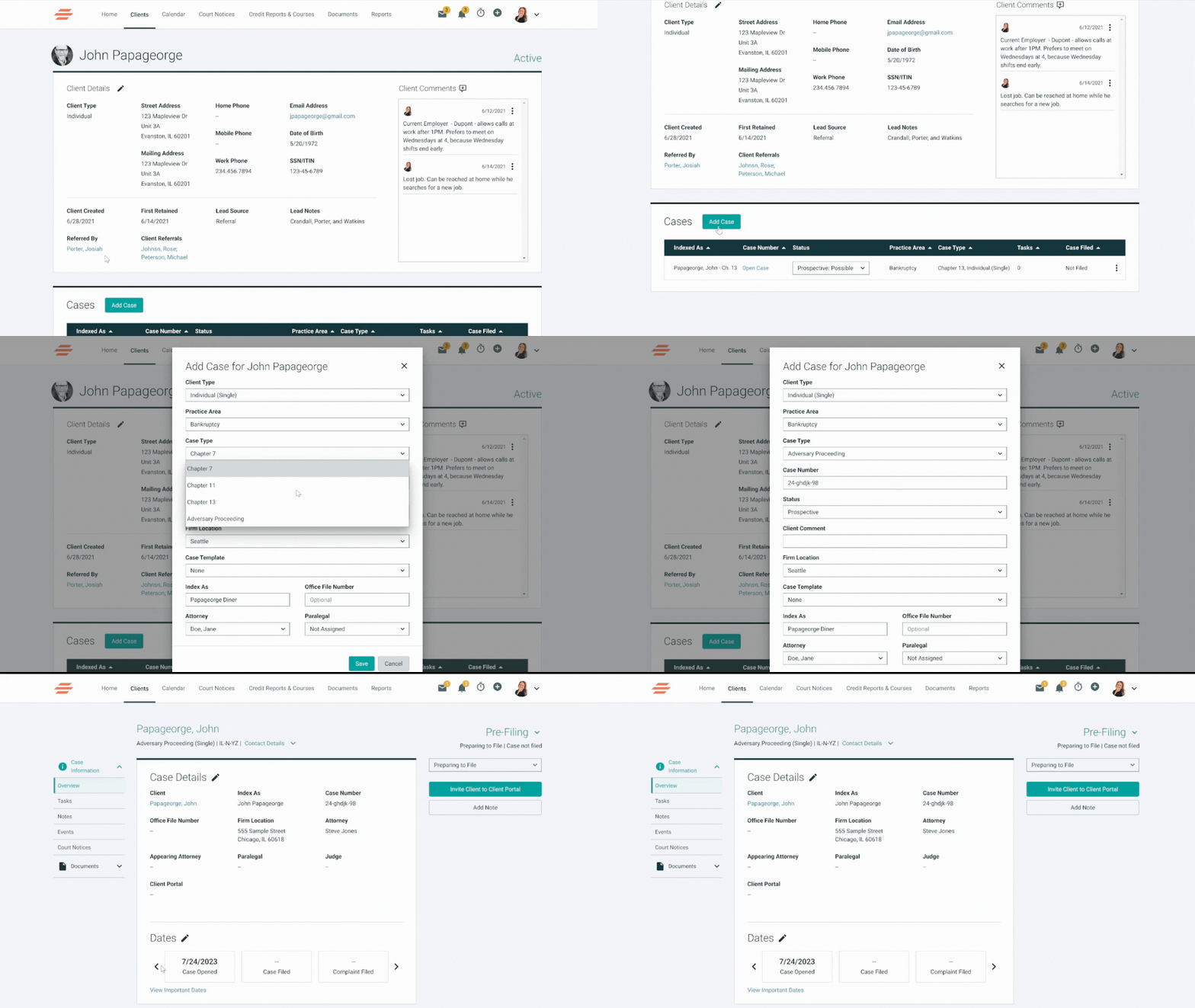
Attorneys can add adversary proceedings as an additional case type for their clients by linking the lawsuit to the bankruptcy case.
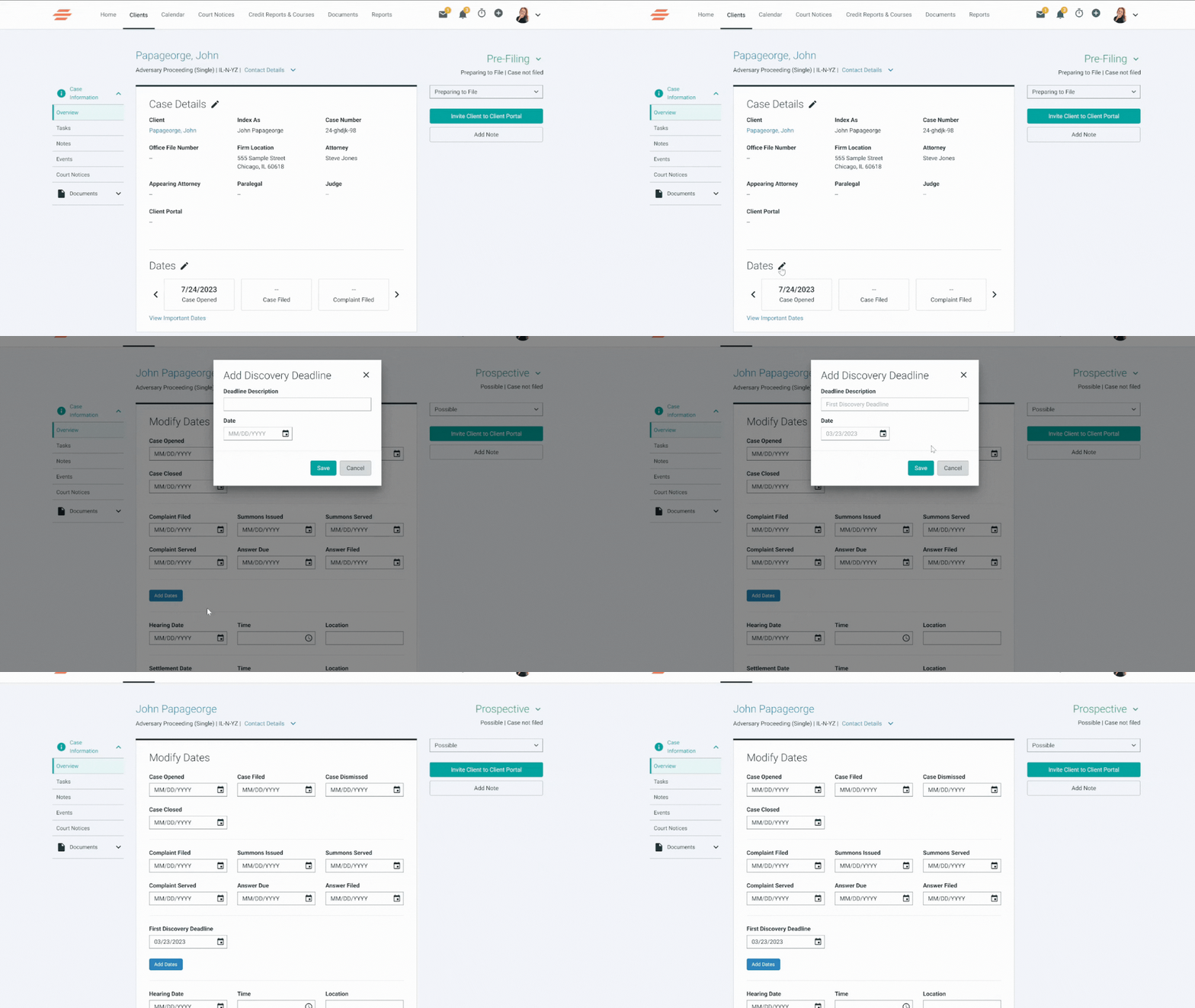
A major pain point was managing deadlines. Attorneys can now track all deadlines in one place with greater flexibility.
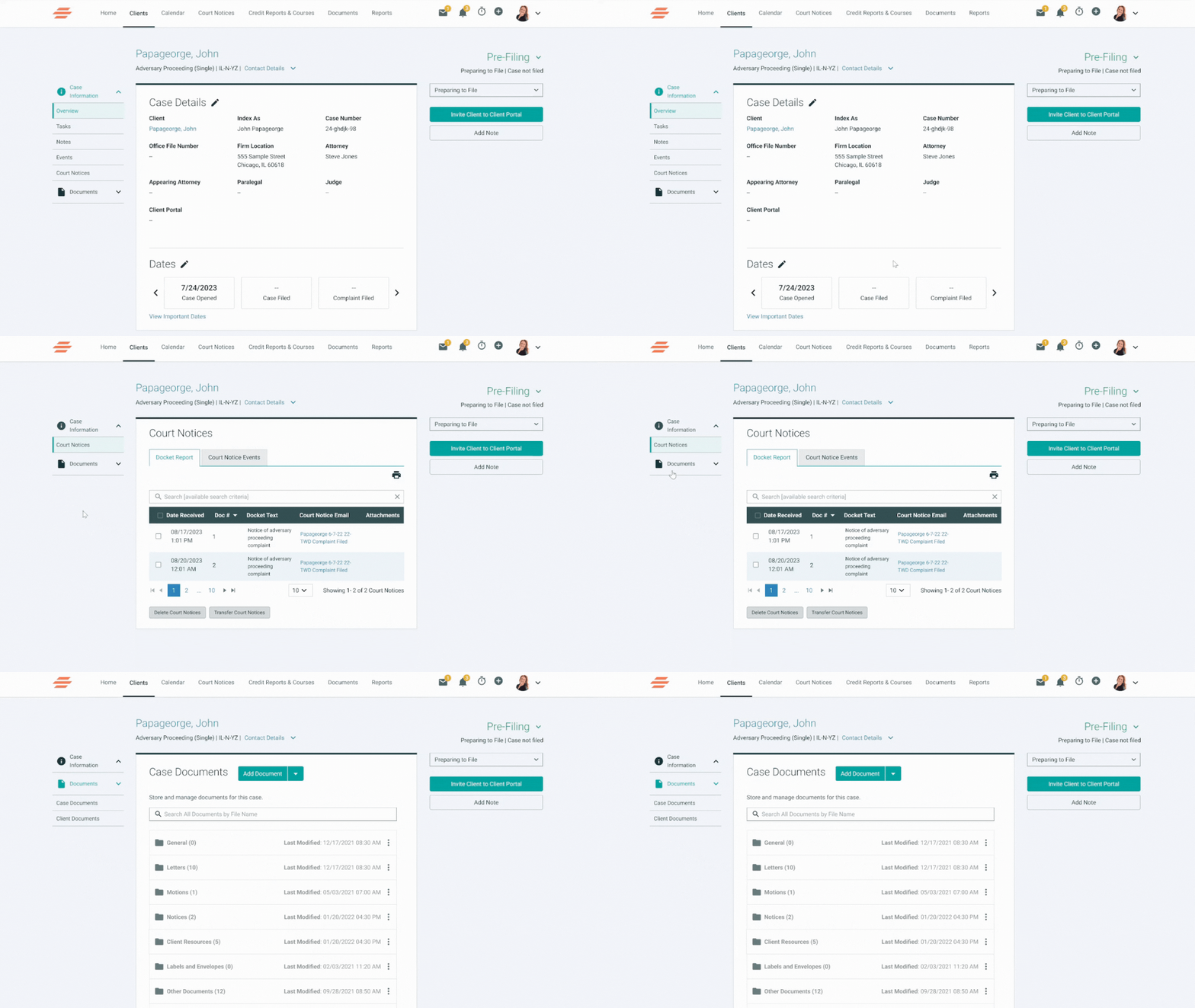
Attorneys can also track court notices and store case & client documents.
Outcomes
By combining SME knowledge, customer feedback, and human-centered design practices, I was able to move from an ambiguous workflow problem to a validated experience that was ultimately shipped.
9% ↑
Increase in account sign-ups
84%
Satisfaction rating for MVP